



October 2025
AI Tools or Hands-On Learning?
"Discover how AI tools and hands-on learning work together to build strong habits and spark curiosity in children."
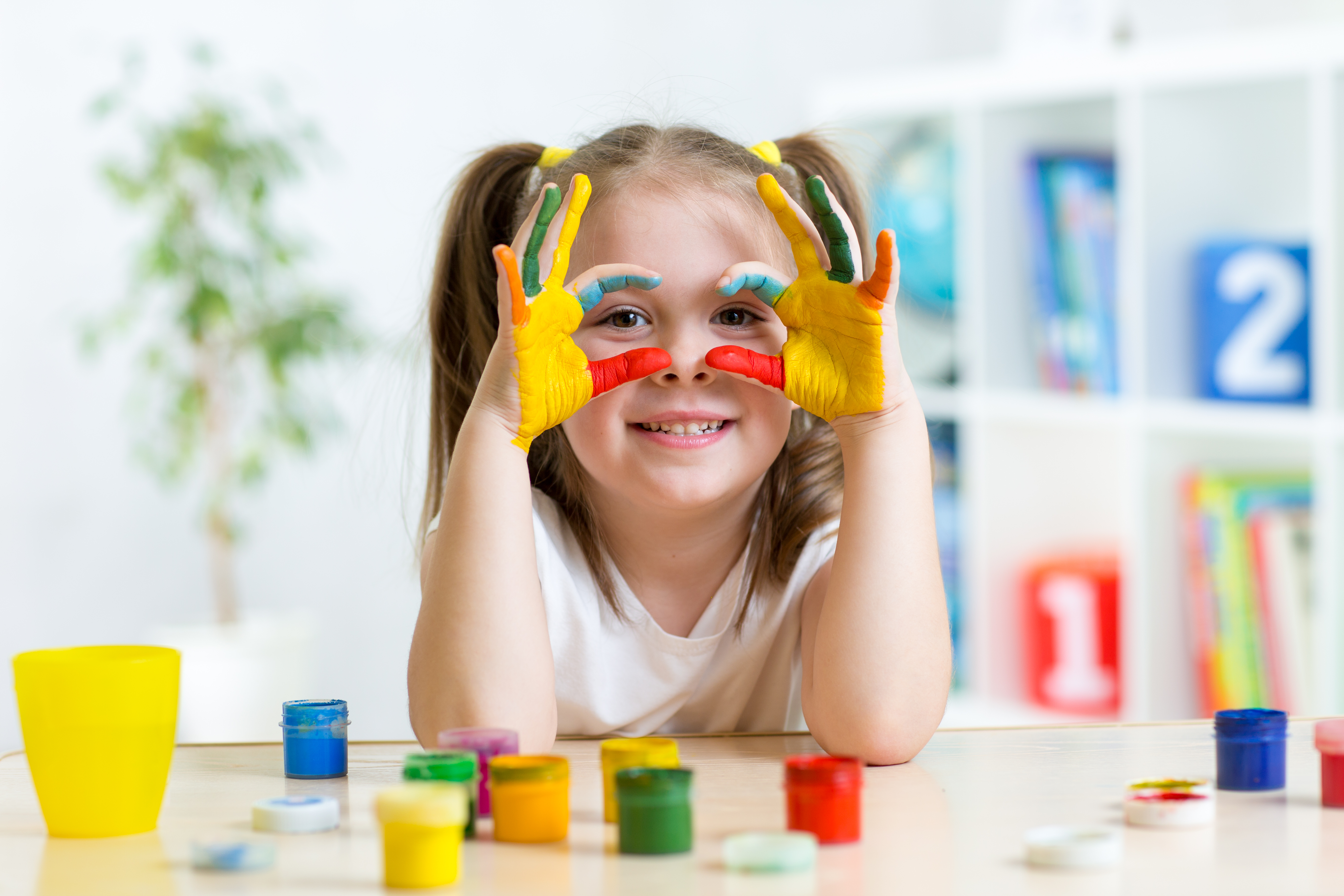
There’s something magical about the moment a child’s eyes light up with understanding. Maybe it’s finally cracking a tough math problem or proudly sharing a story they’ve written. These moments don’t happen by chance. They grow from support, patience, and the right tools.
Every child learns differently. One may thrive with visuals, another with touching and building. Finding what clicks can feel like solving a puzzle, but when the pieces fit, the reward is priceless.
AI Learning Tools: A Steady Companion
AI in the classroom can seem intimidating, but think of it as a patient friend who never tires of helping. Adaptive platforms meet children where they are and adjust without judgment.
Kids light up when an app celebrates their progress or when a language tool finally helps them master a tricky word. These tools remember where they struggled yesterday and guide them one step further today.
Hands-On Learning: The Power of Discovery
Some of the richest learning happens away from screens. Building with blocks, sketching ideas, or playing strategy games at the table teach patience and problem-solving in ways no app can match. Family conversations that jump from dinosaurs to kindness to space travel often spark the deepest curiosity.
Hands-on learning connects knowledge to the real world, builds confidence through trial and error, and creates memories that last.
Blending Digital and Real
The sweet spot comes when both worlds work together. A child might use an app to learn plant life cycles, then head outside to grow a garden. Or practice coding online, then create a treasure hunt for siblings.
It is not about using tech for tech’s sake or rejecting it out of fear. It is about knowing when AI adds value and when kids need to touch, build, and experiment.
What It Means for You
Supporting a child’s learning is not about having all the answers or the perfect tool. It is about noticing what excites them, being present when they struggle, and celebrating small victories.
Some days, AI will be the helper offering just the right feedback. Other days, learning will look like blanket forts, kitchen experiments, or wandering conversations. Both matter.
When we approach learning with curiosity and care, we are not just helping kids master subjects. We are showing them that learning itself is one of life’s greatest adventures.