



December 2025
Learning Outside the Screen: Tech-Enhanced Field Trips
Explore how AR, VR, and digital tools transform field trips into immersive, interactive learning experiences beyond the classroom.
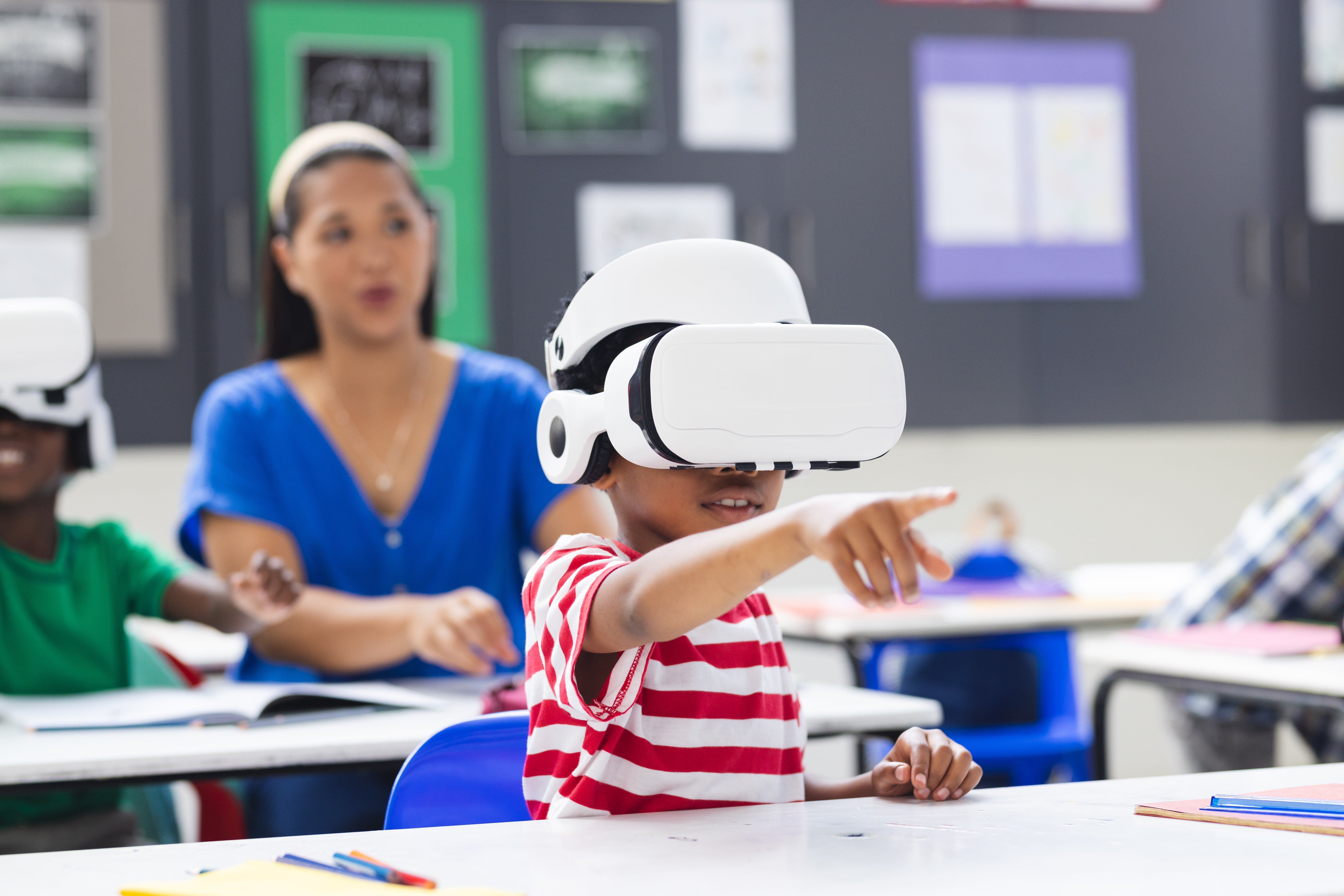
Remember when field trips meant climbing onto a school bus with a clipboard and permission slip, hoping the museum wouldn't be too crowded? Those days aren't gone, but they're getting a serious upgrade. Technology is transforming field trips from passive observation into active, immersive adventures that stick with students long after they're back in the classroom.
When the Museum Comes Alive
Imagine your students standing in front of a dinosaur skeleton, not just reading the plaque, but watching through their tablets as the creature comes to life, moving and roaring in augmented reality right before their eyes. Or picture them exploring ancient Rome without leaving the classroom, walking through the Colosseum as it looked 2,000 years ago through VR headsets.
This isn't science fiction. Teachers are already using these tools to create field trip experiences that were impossible just a few years ago. One history teacher we know took her class on a "virtual expedition" to the Pyramids of Giza. Students explored the chambers, examined hieroglyphics up close, and even experienced what it might have felt like to be inside during different historical periods. The best part? No jet lag, no expensive flights, and every student got a front-row view.
Making Real Field Trips Even Better
But here's where it gets really interesting: technology doesn't just create virtual experiences. It makes real-world field trips more engaging, too.
At a local nature reserve, students use apps that identify plants and animals in real time just by pointing their phones at them. Suddenly, that "boring" hike becomes a treasure hunt for biodiversity. They're not just walking through the woods anymore; they're becoming junior scientists, documenting species, recording observations, and building digital field journals they can share with classmates.
Or consider art museums. Instead of wandering past paintings, students use AR apps that reveal the stories behind each piece, show the artist's sketches and revisions, or even let them step "inside" the artwork to explore its details. A painting stops being something to glance at and becomes something to investigate.
Breaking Down Barriers
Here's something powerful: technology makes field trips accessible to everyone.
Can't afford to take your whole class to Washington, D.C.? Virtual reality can bring the Lincoln Memorial to your classroom. Have students with mobility challenges? Digital tools let them explore places that might be physically difficult to access. Teaching during a pandemic or bad weather? The learning doesn't have to stop.
One elementary teacher created a "virtual field trip exchange" with a classroom in Japan. Her students in Ohio explored Japanese gardens and cultural sites through video calls and 360-degree cameras, while the Japanese students discovered American national parks. Both classes gained perspectives they never could have gotten from a textbook.
The Interactive Adventure
The magic happens when students aren't just observers but participants. Digital scavenger hunts turn field trips into quests. QR codes placed around historical sites unlock videos, challenges, and interactive puzzles. Students work in teams, compete for points, and engage with the material in ways that make learning feel like play.
At a science center, students might use tablets to run virtual experiments alongside the physical exhibits. They can adjust variables, test hypotheses, and see immediate results. The line between digital and physical learning blurs, and suddenly, everything becomes more engaging.
It's Still About the Experience
Now, let's be clear about something. Technology should enhance field trips, not replace the real experience. There's still incredible value in students actually being somewhere, feeling the sun on their faces at a historical site, or smelling the ocean air at an aquarium.
Think of tech tools as enhancers, not replacements. They add layers of information, interactivity, and accessibility that make the experience richer. The goal isn't to have students glued to screens during field trips; it's to use technology strategically to deepen their understanding and engagement with the real world around them.
Getting Started
You don't need a huge budget to start experimenting with tech-enhanced field trips. Many AR and VR apps are free or low-cost. Google Expeditions, for example, offers thousands of virtual field trips at no charge. Simple tools like smartphones with good cameras can become powerful learning devices with the right apps.
Start small. Try one AR app during your next museum visit. Test a virtual field trip on a rainy day when outdoor plans fall through. See what resonates with your students, then build from there.
The Future of Learning Adventures
So whether you're planning a traditional field trip and want to make it more interactive, or you're exploring virtual alternatives that break through budget and distance barriers, technology opens up possibilities that didn't exist before.
It won't replace the joy of discovery or the excitement of going somewhere new. But it can make those experiences deeper, more accessible, and more memorable. And when students are truly engaged, truly exploring, truly learning, that's when the magic happens.
Whether they're standing in a forest or exploring Mars from their classroom, the goal is the same: spark curiosity, inspire wonder, and show students that learning is an adventure worth taking.