



March 2026
Learning Their Way: How Schools Can Support Neurodiverse Students
Not all students learn the same way. Learn how inclusive technology and customized curriculum are transforming education for neurodiverse learners.
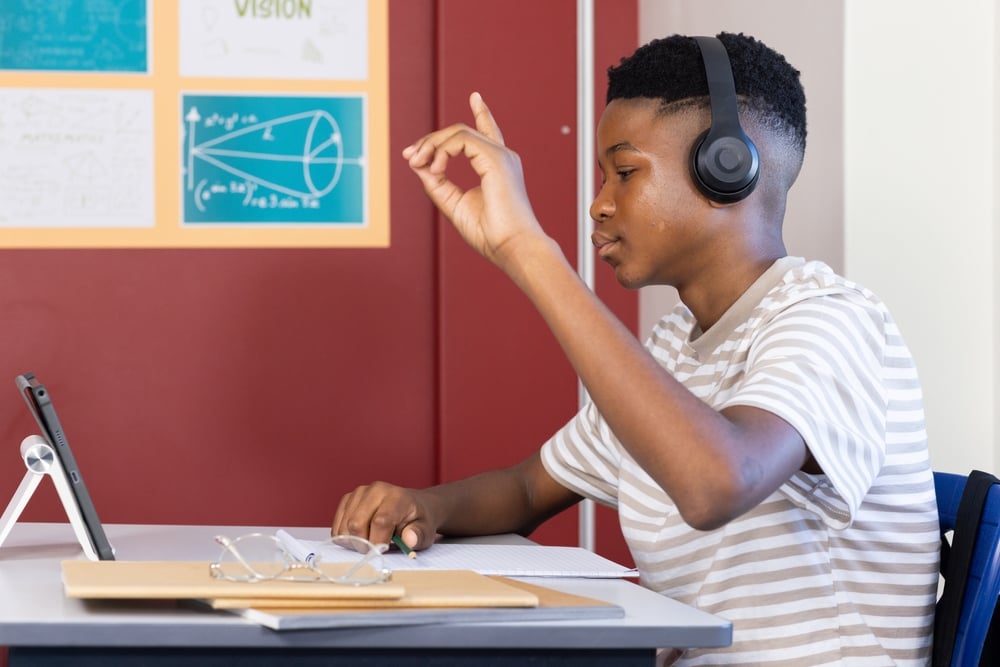
Since I started working in education, I've learned that the moment a student finally "gets it" after struggling isn't just about academic achievement. It's about dignity. It's about a young person realizing they're not broken, just different.
In today's classrooms, every student learns differently. Neurodiverse learners, including students with autism, ADHD, dyslexia, and other learning differences, often face challenges that traditional teaching methods were never designed to address. Too often, schools are asked to support diverse learners using systems built for only one type of learner. The question we should be asking isn't how students can adapt to the system, but how the system can adapt to students.
Common Challenges in Traditional Learning Environments
Many neurodiverse students encounter barriers that have little to do with their ability to learn and everything to do with how learning is delivered. Some students struggle to read or process text quickly. Others have trouble focusing in lecture-based classrooms or feel overwhelmed when information comes at them all at once. Over time, these experiences pile up. Frustration grows. Confidence fades. Students start to believe they can't keep up when really, the environment just isn't working with them.
These aren't failures of students. They are signals that learning environments need to be more flexible.
How Technology Creates More Inclusive Learning
Technology isn't a magic solution, but when used intentionally, it opens doors that have been closed for too long.
Text-to-speech tools allow students who struggle with reading to listen to content and focus on understanding ideas rather than decoding words. Digital lessons with adjustable pacing give learners control over their own speed. They can review material without embarrassment or move forward when they're ready. Multiple content formats, including video, audio, interactive activities, and visual supports, make it possible for students to engage with the same material in ways that align with how their brains work.
When students can access content in ways that suit them, participation increases, stress decreases, and learning becomes more meaningful.
Moving Beyond Tools to Thoughtful Curriculum Design
Technology alone isn't enough. What truly makes the difference is how learning experiences are designed.
At ryco, we partner with schools, school leaders, and curriculum decision-makers to design customized curricula that support neurodiverse learners in practical ways. We don't offer one-size-fits-all programs. Instead, we collaborate with educators to understand their students' goals and learning environments.
Our approach combines inclusive technology with a curriculum that adapts to different learning styles, pacing needs, and processing preferences. This includes flexible lesson formats, accessible content design, and instructional strategies that work with students rather than against them.
This work is designed for schools and learning programs serving neurodiverse students, as well as organizations seeking to build more inclusive learning models overall. The result is learning environments where students feel supported, educators feel empowered, and instruction responds to real learner needs.
Why This Matters for Schools
Embracing technology for neurodiverse learners isn't about trends or adopting the latest tools. It's about equity. It's about ensuring every student has a fair opportunity to learn, participate, and succeed.
Every brain works differently. Some students thrive in lecture-based settings. Others need movement, visual input, or time to process information quietly. None of these learning styles is superior. They're simply different paths toward understanding, growth, and the joy of learning.
When schools provide the right tools and invest in curriculum designed for diverse learners, they do more than improve academic outcomes. They communicate a powerful message to students: you belong here, your way of thinking matters, and this learning space was built with you in mind.
Takeaway
Inclusive technology, paired with a customized curriculum, isn't just a support system. It's a foundation for dignity, confidence, and meaningful learning for every student.