



January 2026
Learning Your Way: Why Every Student Needs Their Own Path
One-size-fits-all learning doesn’t work for every student. Discover how personalized learning and flexible classrooms help learners grow in their own way.
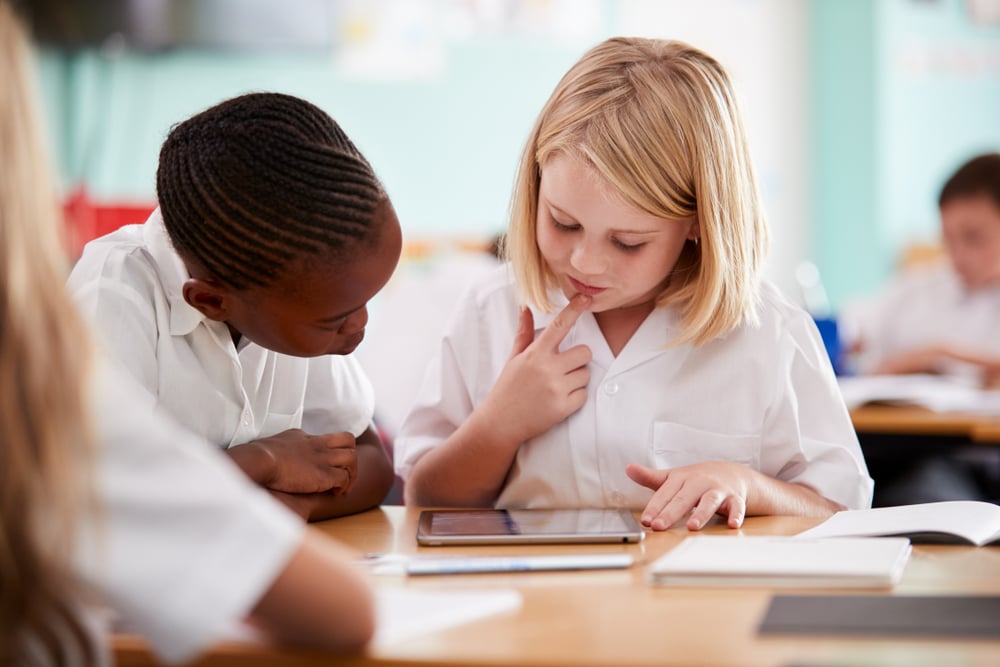
Imagine a classroom where every student is expected to move at the same pace, read the same pages, take the same test, and finish at the same time. For some students, it works fine. For many others, it feels like running a race with your shoes tied together.
School has followed that pattern for decades. It's simple. It's neat. It's easy to manage.
But it isn't simple for learners who think differently or move at their own speed. And it doesn't always lead to growth.
I've Seen Both Sides
I don’t stand in classrooms every day, and I’m not a teacher, but I was once a student stuck in a one-size-fits-all classroom. I know what it’s like to feel forced into the same mold as everyone else.
Now, working in education technology, I’ve also seen what happens when students are given the freedom to explore in ways that work for them. The difference is striking.
One student might dive into a science experiment because it connects to a game they love. Another might spend extra time writing a story because they think best through words. Both are learning, both are growing, and both are thriving without following a strict, universal path.
No Single Curriculum Serves Every Student
Some students flourish when they move quickly through material they understand. Others need time to experiment, fail, and try again.
Some learn best by seeing. Some by talking. Some by moving. Some by thinking quietly.
The idea that a fixed curriculum can meet all those needs is outdated.
What Happens When We Get It Wrong
I've watched a sixth grader shut down during a reading lesson because the pacing guide said everyone had to finish Chapter 5 by Friday. She wasn't ready. She needed two more days to absorb what she was reading, to make connections, to actually understand. But the calendar said move on.
I've also watched a fourth grader finish his math assignment in ten minutes and then spend the next thirty staring at the ceiling, bored and disconnected, because everyone had to wait for the lesson to end together.
Both students were capable. Both wanted to learn. The system just wasn't built for either of them.
What the Future Actually Looks Like
The future isn't about replacing teachers with technology or creating more complicated systems. It's about flexibility.
It's about designing spaces and experiences that let students explore, make mistakes, and discover what excites them. It's about giving them the chance to figure out how they want to grow, not forcing them to fit someone else's timeline.
This Doesn't Require a Revolution
You don't need fancy apps or AI. You don't even need to redesign every classroom.
It starts with awareness. Awareness that every child learns differently, that rigid pacing and uniform assessments leave many behind, and that curiosity motivates far more than compliance.
When Students Own Their Learning
When students follow their interests, take risks, and experiment, they begin to own their learning.
They understand not just what they know, but how they learn. They begin to shape the person they want to become instead of just completing assigned work.
A fifth grader who struggled with fractions suddenly gets it when she's figuring out recipe measurements for a baking project. A seventh grader who hated writing finds his voice through creating video game storylines. A third grader who couldn't sit still learns to read while pacing around the classroom.
These aren't exceptions. This is what happens when we stop forcing everyone down the same path.
What Replaces the Old System
The end of one-size-fits-all learning doesn't mean chaos. It means respect for individuality. It means space for growth. It means allowing students to discover their own strengths and paths.
It means a classroom where the teacher knows that three students are ready to move ahead in math, five need more practice on yesterday's concept, and two would benefit from approaching the same idea through a hands-on project. And all of that is happening at once, intentionally, without anyone falling behind or being left out.
It means students who say "I'm working on this" instead of "I'm behind." It means progress that looks different for everyone and growth that feels personal, not prescribed.
What This Means for Your Child
If your child's school is moving toward personalized learning, you might feel uncertain. That's fair. Change is uncomfortable, especially when it involves your child's education.
But here's what to watch for: Is your child more engaged? Are they talking about what they're learning with genuine interest instead of just completing assignments? Do they seem less anxious about being "behind" or "ahead" and more focused on their own progress?
Those are the signs it's working.
And if something feels off, if your child seems lost or frustrated or disconnected, speak up. Good personalized learning should feel supportive, not isolating. Flexible, not chaotic.
The Bottom Line
Because when students learn differently, we don't just teach them subjects. We teach them how to become themselves.