



November 2025
Listen Differently
Teachers do more than they teach—they model empathy daily. Explore how listening and understanding transform classrooms and shape student lives.
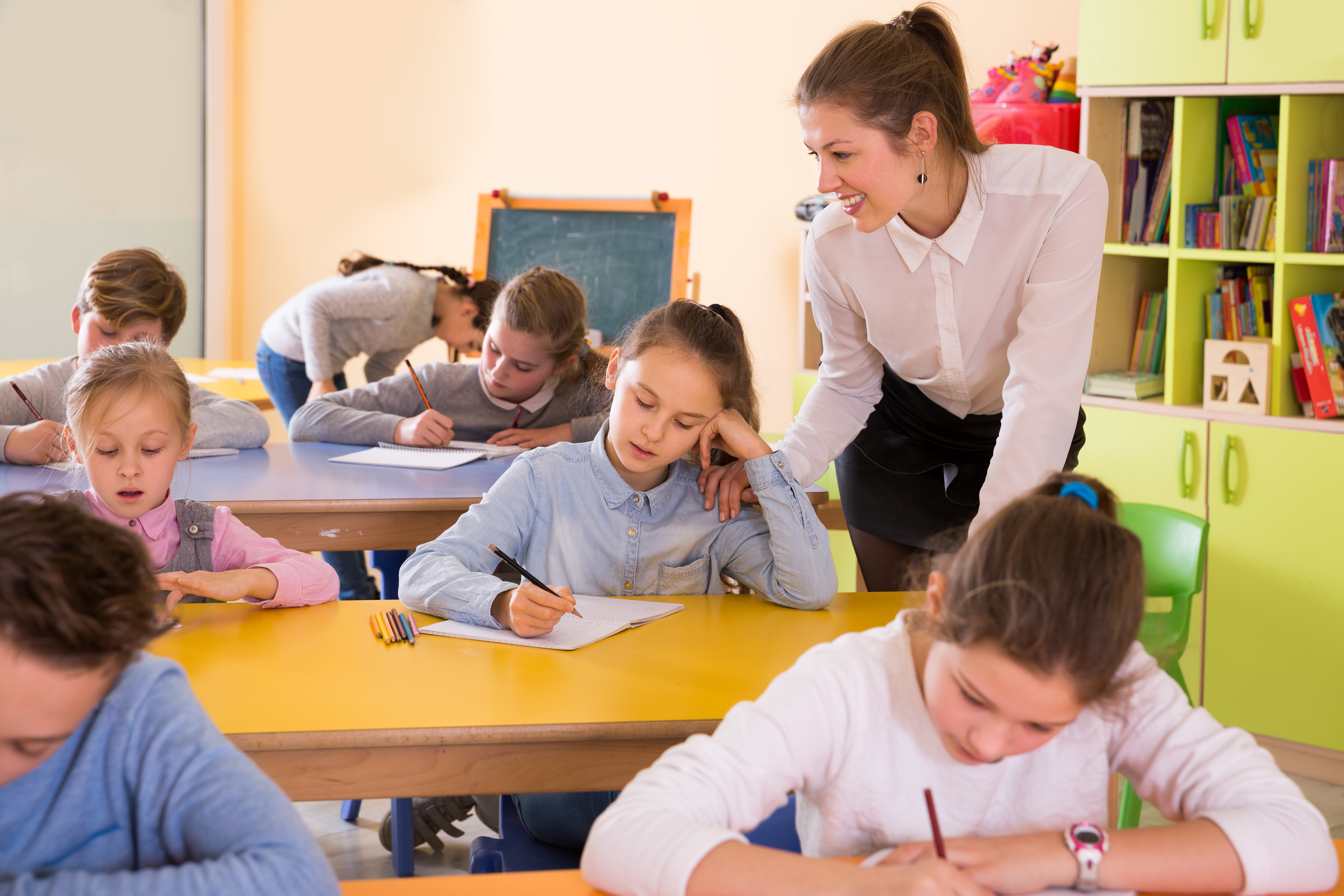
I once watched a teacher notice a student staring at the ceiling while everyone else took notes. A quiet check-in later, and that student’s week changed. That’s the power of empathy in action, and it’s something teachers practice every single day.
The Quiet Superpower of the Classroom
Teaching isn’t just about lessons or tests. It’s about noticing the student who seems distracted, the one who never raises a hand, or the one quietly shouldering challenges at home. Empathy allows teachers to tune into a student’s world, sensing struggles even when grades don’t reveal them. A kind word, extra time after class, or a patient explanation can shift a student’s day or even their trajectory.
Listening Beyond Words
Teachers listen differently. It’s not just about what students say, it’s about what they don’t. A nervous glance, a quiet sigh, a hesitation before answering, teachers notice these subtle cues and create spaces where students feel safe to share, fail, and try again. Vulnerability isn’t weakness; it’s an invitation to grow.
When Empathy Changes Lives
Students who feel genuinely heard develop resilience, confidence, and engagement. They learn that their feelings matter, that someone is paying attention, that they are not alone. These lessons outlast any test score. Teachers show that learning is as much about understanding people as it is about understanding material.
Empathy Takes Intentional Work
Teaching with empathy is intentional. Educators model it by showing students how to respect and understand others’ feelings. They integrate perspective-taking into lessons: literature becomes a window into other lives, and history reveals the human cost of decisions.
But this emotional labor is exhausting. Teachers absorb struggles, celebrate victories, and carry dozens of stories every day. To sustain this work, they need meaningful support: professional development in emotional intelligence, regular self-care, and school cultures that value their emotional contributions.
Technology can help. Tools like Rybot handle repetitive administrative tasks, lesson planning, grading, and translations, freeing teachers to spend energy where it matters most: on human connection. When teachers can truly see their students, everyone benefits.
What We All Learn
Teachers model empathy, understanding, and human connection every day. Supporting them means recognizing their effort, providing resources that lighten their load, and creating systems that value their humanity as much as their productivity.
When teachers have what they need to teach with empathy, we all learn something invaluable: how to truly listen, how to care beyond the obvious, and how to honor the stories behind every person. Maybe that’s the most important lesson of all.