



December 2025
Preparing Kids for Jobs That Don't Exist Yet
Equip children with adaptability, creativity, and problem-solving skills to thrive in future careers that aren’t yet imagined.
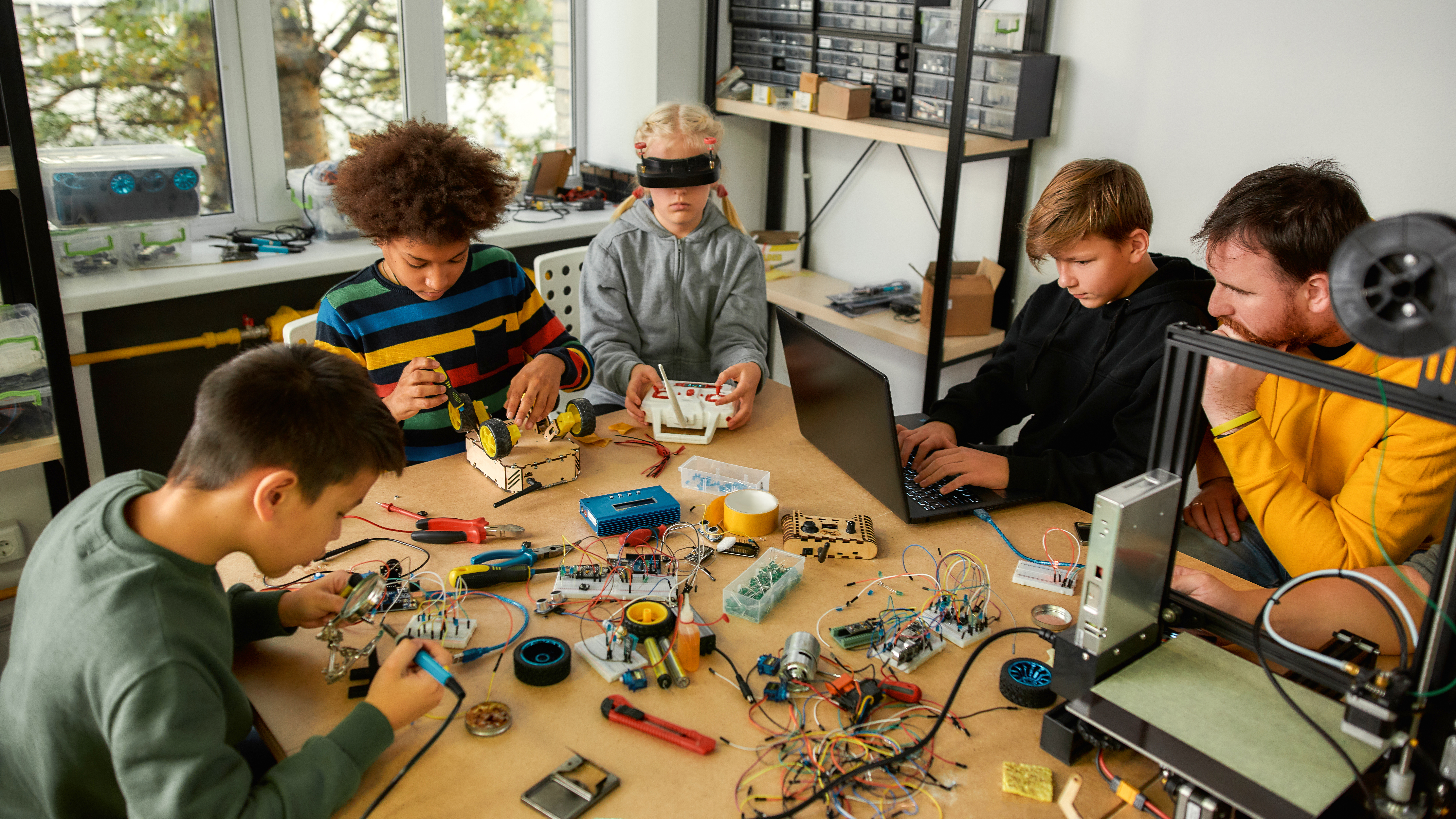
Think about this for a second: the jobs our kids will have in 10, 15, or 20 years probably don't even exist yet.
Kind of wild, right?
According to the World Economic Forum, 65% of children entering primary school today will work in jobs that don't currently exist. Some of the fastest-growing careers right now (like AI prompt engineer or virtual reality designer) weren't even on anyone's radar a decade ago.
That's exciting, sure, but also a little intimidating. As parents and educators, we can't just prepare them for the world as it is today. We need to help them thrive in a world we can't fully predict.
So how do we do that? Not by teaching them what to think, but by teaching them how to think, adapt, and create.
Adaptability Is the New Superpower
Here's the truth: the future is going to change fast. Really fast.
Kids who can pivot, try new approaches, and embrace failure as part of learning will have a huge advantage. It's not about getting everything right the first time. It's about being flexible, curious, and resilient when things don't go according to plan.
Even small exercises can help build this skill:
Try "failure reflection" sessions where kids talk about what didn't work and what they learned
Celebrate the process, not just the result so they understand that growth happens in the messy middle
Give them problems without clear solutions and let them figure it out
The goal isn't to make change easy. It's to make kids confident that they can handle it.
Creativity Isn't Optional Anymore
Let's get one thing straight: creativity isn't just for art class. It's about solving problems in new ways, asking "what if?" questions, and seeing possibilities others might miss.
In a world where AI can handle routine tasks, human creativity becomes our most valuable asset. Machines can optimize, but they can't imagine.
Let kids explore ideas freely, whether in a science project, a group activity, or just brainstorming solutions to everyday problems. Ask open-ended questions like "How many ways could we solve this?" instead of "What's the right answer?"
That creative mindset will be invaluable when the career they end up in hasn't been invented yet. Because chances are, they might be the ones inventing it.
Problem-Solving Is the Real Skill
Future jobs won't come with step-by-step instructions. The most valuable work will be figuring out problems that no one's solved before.
Encourage kids to question assumptions, break big problems into smaller ones, experiment and iterate, and learn from mistakes. Every "failure" is data they didn't have before.
The skills they develop while problem-solving will serve them everywhere: work, school, relationships, and beyond.
Collaboration Is Non-Negotiable
Here's something that hasn't changed and won't change: even the best ideas need teamwork to succeed.
The myth of the lone genius? That's mostly fiction. Real innovation happens when people with different perspectives come together.
Learning how to work with others, communicate effectively, and build on each other's strengths never goes out of style. Group projects aren't just academic exercises—they're training for the real world.
And collaboration includes knowing how to work with technology, not just being replaced by it. Tools like ryco.io help students collaborate and problem-solve together, blending human creativity with tech support. The future isn't humans versus machines. It's humans and machines working together.
Building the Right Mindset
When you look at successful people across different fields, they often share similar mindsets more than similar skills.
They're curious. They see obstacles as puzzles. They're not afraid to look foolish while learning. They believe they can improve with effort. They bounce back from setbacks.
This "growth mindset" might be the most important thing we can cultivate. When children believe their abilities can grow through effort, they're more willing to take on challenges and ultimately achieve more.
Why This Really Matters
Preparing kids for unknown careers isn't about teaching a specific task. It's about shaping the mindset that will let them thrive no matter what comes.
When we help children develop adaptability, creativity, problem-solving, and collaboration skills, we're equipping them not just to survive—but to lead, innovate, and make a difference.
We're not preparing them for a job. We're preparing them for multiple careers, several of which might not exist yet.
What You Can Do Starting Now
At home:
Let kids tackle real problems, encourage hobbies that require persistence, and share your own learning journey.
In the classroom:
Replace one worksheet with an open-ended project, give students choices, and celebrate creative solutions.
Everywhere:
Model curiosity, normalize failure as learning, and trust kids to figure things out.
The Bottom Line
The world ahead may be unpredictable, but with the right skills and mindset, our kids will be ready to meet it head-on.
They won't just adapt to the future. They'll create it.
So let's stop asking "What job should my child prepare for?" and start asking "What kind of thinker, creator, and problem solver do I want to help them become?"
The future is unwritten. Let's give our kids the pen.