



October 2026
What Makes Us Want to Keep Learning?
Discover why curiosity, small discoveries, and the satisfaction of figuring things out inspire us to keep learning at every age.
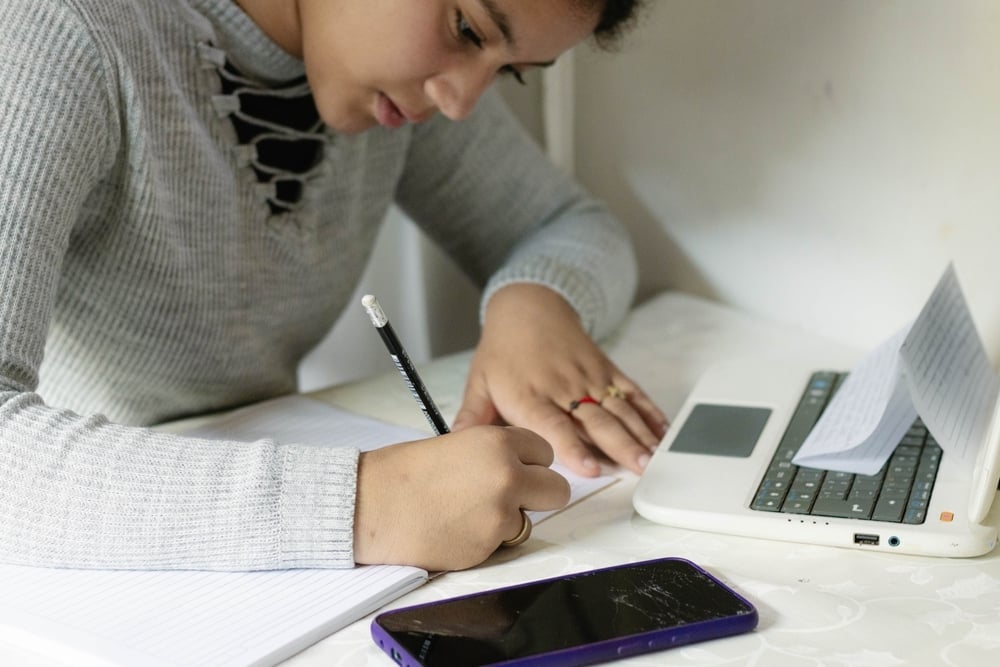
Sometimes, the desire to learn starts with something as simple as, “Wait... I figured it out.”
Some of the things we learn, we never actually set out to learn.
You click something by accident and suddenly discover how it works. You try to fix something around the house and, somehow, you actually do. You try a new recipe, make a few mistakes, adjust a little, and end up with a pretty good dinner.
Then comes that little moment of surprise:
“Wait... I did that?”
It feels good. And almost immediately, a few questions follow.
“How did I do that?”
“What else can I do?”
“What happens if I try this?”
That’s one of the interesting things about learning. It doesn’t always start with a lesson, an assignment, or someone telling us what we need to know. Sometimes, it starts with simply wanting to figure something out.
The “I figured it out” feeling
There’s something different about finding an answer yourself.
You try something. It doesn’t work. You try another way. Maybe you get frustrated, look something up, and try again. Then, finally, something clicks.
It’s a small moment, but it gives you more than an answer. It gives you confidence.
“I’m not good at this” starts to sound more like “Maybe I can do this.”
And once you feel that, you’re a little more willing to try again. One discovery leads to another question, and one small win makes the next challenge feel worth taking on.
Learning doesn’t have to be easy to be rewarding. Sometimes, we just need a reason to keep going long enough to discover that we can do it.
Our reasons for learning change as we grow
Think about the things you’ve learned since leaving school.
Maybe you picked up a new language because you fell in love with a country, a culture, or someone from there. Suddenly, remembering vocabulary matters a lot more when you want to understand the people around you, order food, or catch the joke everyone else is laughing at.
Maybe something broke at home, and you thought, “Okay... I guess I’m fixing this myself.” So you learned how.
Maybe you taught yourself to edit videos, grow a garden, take better photos, or make that one recipe you keep coming back to.
None of it came with a syllabus. There was no test at the end. You just had a reason to learn.
Curiosity doesn’t have an age limit
We tend to think of curiosity as something kids have naturally. And they definitely show it. Kids ask “why?” about everything, then ask another “why?” before you’ve finished answering the first one.
But growing up doesn’t mean we stop being curious. Our questions just change.
A child might wonder why the moon seems to follow the car. A teenager might want to know how a video game gets made. An adult might get hooked on a new technology, pick up a hobby, or try to repair something they probably should have called a professional for.
The subjects change. The instinct doesn’t: “I want to know.”
What if learning felt more like discovery?
The things we teach ourselves rarely feel like learning. We’re just trying to get something done, and somewhere along the way, we’ve learned something new.
What if students could experience more of that feeling?
That doesn’t mean every lesson needs to be a game or every challenge needs to be easy. Some of the most satisfying learning happens when something is challenging enough to make us think, but manageable enough that we can eventually figure it out.
The goal isn’t to remove the struggle. It’s to help students stay with it long enough to discover what they can do. A student who works through one challenge approaches the next one differently. Instead of thinking “I can’t do this,” they start asking, “What if I try another way?”
Where technology can help
Picture a student stuck on a problem. Instead of getting the answer, they see the idea explained another way, try a different example, or get a guiding question that points to the next step. Another student already understands the basics and is ready to go deeper.
That’s the kind of help rybot is built to give: meeting students where they are, without thinking about them.
Technology shouldn’t take away the chance to figure something out. It should help students keep going long enough to reach that moment: “Wait... I figured it out.”
Because learning isn’t just about getting the right answer. It’s about building the confidence to take on the next question.
School eventually ends. Learning doesn’t.
We keep learning because life keeps giving us reasons to be curious. A new place. A new hobby. A broken appliance. A recipe we really want to get right. A language we want to understand. Or sometimes, just the satisfaction of seeing if we can.
Maybe being a lifelong learner isn’t about taking more courses or collecting more certificates. Maybe it’s simply about staying curious enough to ask, “What else could I learn?”
One discovery leads to another question. One question leads to another attempt. And sometimes, one little “I figured it out” is all it takes to make us want to keep going.